


Why Low Water Pressure Happens — and the Simple Fixes You Can Try First
November 8, 2025Few things are more frustrating than a weak shower or a slow-filling sink.
Low water pressure is one of the most common plumbing complaints among homeowners across Atlanta, Marietta, and Roswell — and while it can sometimes signal a major issue, many causes are surprisingly simple to fix.
Before calling a plumber, here’s how to diagnose the problem and try a few easy at-home solutions that might restore strong, steady water flow.
1. Check Other Faucets First
If only one fixture has low pressure, the issue is likely isolated — for example, a clogged aerator or showerhead.
But if you notice low pressure throughout your home, the problem could be in your main water line, regulator, or supply valve.
Testing different faucets helps narrow down where to start.
2. Clean Faucet Aerators and Showerheads
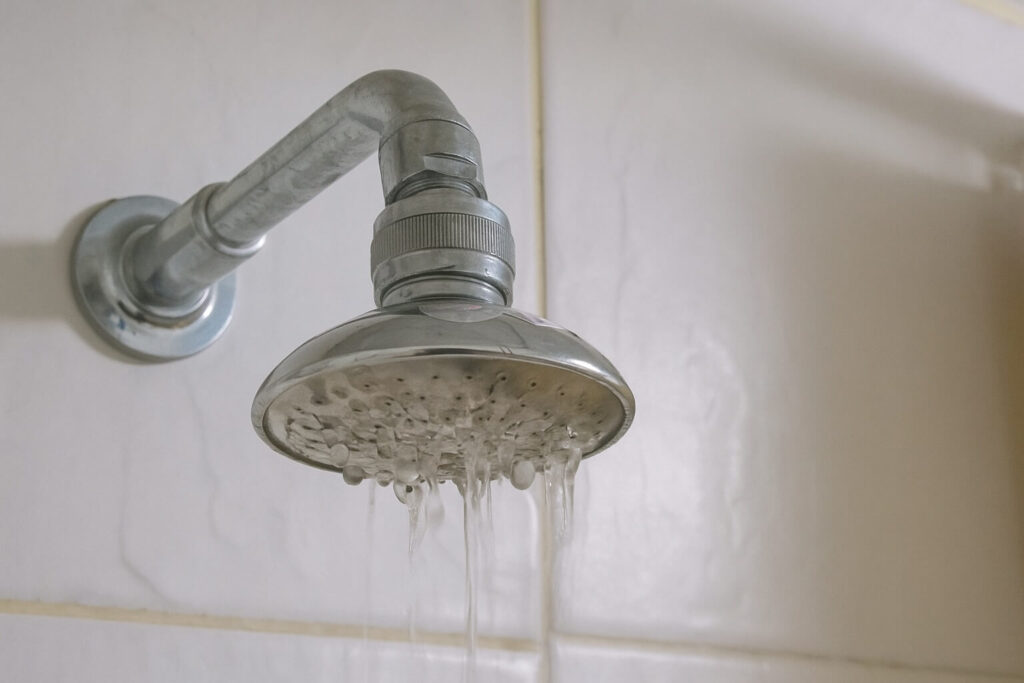
Over time, mineral buildup (especially from Atlanta’s hard water) can block the tiny holes in your fixtures.
To fix this:
- Unscrew the aerator or showerhead.
- Soak it in vinegar for 30 minutes.
- Scrub gently with an old toothbrush.
- Rinse and reinstall.
You’ll often see a noticeable improvement immediately.
3. Make Sure the Shutoff Valve Is Fully Open
If your water was recently turned off for maintenance or repairs, the main shutoff valve might not have been reopened all the way.
Locate it near your meter or where the main line enters your home, and ensure it’s completely open (turned counterclockwise).
4. Check Your Pressure Regulator
Many homes in the Atlanta suburbs — including Alpharetta, Sandy Springs, and Roswell — have a pressure-reducing valve (PRV) that controls water flow into the house.
When this valve fails, it can cause either very high or very low pressure.
If you suspect a PRV issue, call a licensed plumber to test and replace it safely.
5. Look for Leaks in the System
Hidden leaks can divert water before it reaches your faucets.
Inspect under sinks, around toilets, and behind appliances for damp spots or running water sounds.
Even a small leak can reduce overall pressure — and drive up your water bill.
6. Ask Your Neighbors
If your entire neighborhood is experiencing low pressure, the issue might be with the city’s water supply or a nearby construction project.
In that case, it’s best to report it to your local water authority and wait for service restoration.
7. When to Call a Professional
If you’ve ruled out simple fixes and your water pressure remains low, the cause might be more serious — such as corroded pipes, underground leaks, or mainline obstructions.
At ATL Plumber, we use precision pressure testing to identify and resolve low-water-pressure problems quickly and efficiently, restoring full performance to your plumbing system.
Final Thoughts
Low water pressure doesn’t always mean big trouble — but ignoring it can lead to bigger issues later.
By starting with these simple troubleshooting steps, you can often restore your home’s flow without stress.
And if the problem persists, call ATL Plumber — your local experts serving Atlanta, Roswell, and beyond.